The Benefits of Using Natural Ingredients for Scalp Health
Five natural ingredients earn their place in scalp care for real, specific reasons.
September 22, 2026 · 3 min read
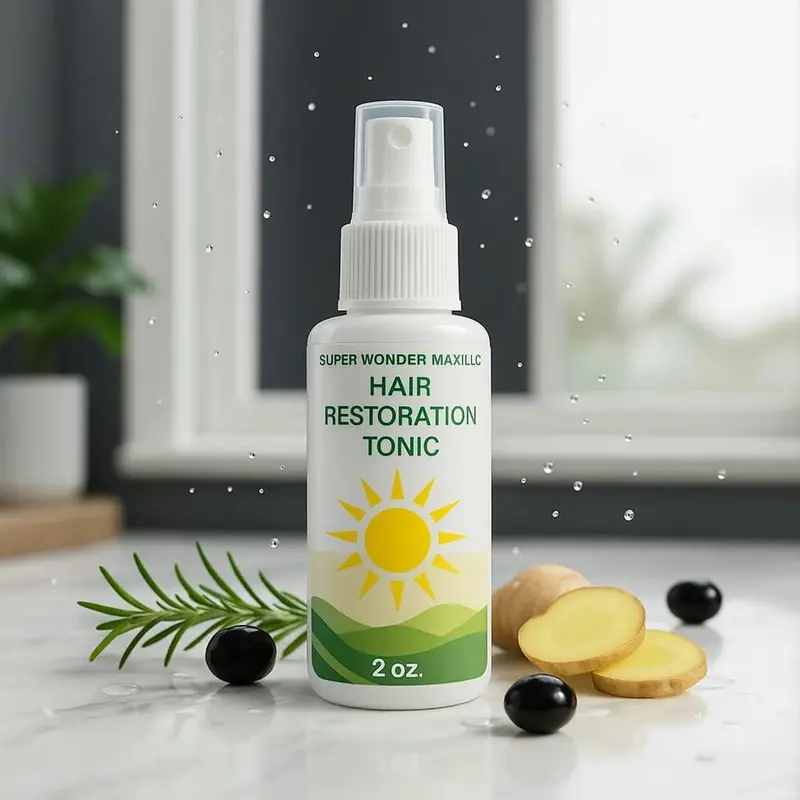
Walk down the hair care aisle and you'll see the same handful of natural ingredients on bottle after bottle: tea tree, aloe vera, jojoba, rosemary, lavender. They show up so often because each one solves a specific scalp problem, not because they happen to be trendy. Here's what each one actually does, in plain terms.
- Tea tree oil: antibacterial and antifungal, aimed at irritation and dandruff
- Aloe vera: soothing, hydrating, and anti-inflammatory
- Jojoba oil: resembles natural scalp sebum, moisturizes without a heavy residue
- Rosemary oil: associated with scalp circulation and nutrient delivery to follicles
- Lavender oil: calming scent with mild antibacterial and antifungal properties
Tea tree oil for scalp irritation and dandruff
Tea tree oil has natural antibacterial and antifungal properties, which is why it turns up so often in formulas aimed at dandruff and general scalp irritation. A lot of flaking and itching on the scalp is related to an overgrowth of yeast that lives on everyone's skin in small amounts, and ingredients that can help keep that yeast in check tend to calm the irritation that comes with it. It's a strong-smelling oil, which is part of why it's usually blended into a wider formula rather than used entirely on its own.
Aloe vera for hydration and calming inflammation
Aloe vera is one of the most widely used calming ingredients in skin and scalp care, and for good reason. It's naturally soothing, it hydrates without feeling heavy, and it has anti-inflammatory properties that make it a common choice for scalps that run irritated, tight or flaky. It's gentle enough to use daily, which is part of why it's such a workhorse ingredient across natural hair care generally. Our own shampoo lists Aloe Barbadensis Leaf Juice on the label, alongside Olive Fruit Oil, so this is one natural ingredient you'll actually find in what we make, not just in the wider category of natural hair care.
Jojoba oil, the closest thing to what your scalp already makes
Jojoba oil's structure is unusually close to sebum, the natural oil your scalp produces on its own. That similarity means it tends to absorb without leaving the heavy, greasy residue that some other oils do, which makes it a popular choice for people who want moisture without feeling like they need to wash it out again the same day.
Rosemary oil and scalp circulation
Rosemary is most often used on the scalp for its association with circulation. The idea is straightforward: a scalp with good blood flow is better positioned to deliver nutrients to the follicles sitting in it, and rosemary has traditionally been used to support exactly that kind of stimulation. It's usually massaged in directly, which does double duty since massage itself also supports circulation regardless of what's on your fingers at the time.
Lavender oil for a calmer routine
Lavender's reputation is mostly about scent and a calming ritual, but it also carries natural antibacterial and antifungal properties, similar in spirit to tea tree, just gentler. It's a common finishing note in natural formulas because it does a little of both jobs: it contributes to scalp health and it makes the whole routine feel less clinical.
A note on what's actually in our own products
It's worth being clear about something: this list describes natural ingredients used broadly across hair care, not a full description of any one product, including ours. Our shampoo's label names Aloe Barbadensis Leaf Juice and Olive Fruit Oil specifically. Our tonic is built from plant-derived extracts and Puerto Rican botanicals. If you want to know exactly what's in something you're using, the label is always the place to check, not a general list like this one.
Super Wonder Max, (805) 868-1137
Call (805) 868-1137More articles
How to Build a Hair Care Routine for Maximum Results
A good routine starts with understanding your hair, not copying someone else's.
What to Expect in the First 60 Days of a Hair Care Routine
How long results take depends on more than the product, and age is a big part of it.